


Key Monitors
Traders will watch for:
- Any Iranian military response to the blockade or further mine-laying activity in the Strait
- US crude inventory data due later today and OPEC+ commentary on supply contingency plans
- Fed speaker remarks scheduled for this afternoon that could clarify the policy response to energy-driven inflation pressures
The dollar jumped and oil prices surged past $100 a barrel on Monday after marathon US-Iran peace talks in Islamabad ended without a deal, prompting President Donald Trump to order an immediate US Navy blockade of the Strait of Hormuz. Brent crude climbed 7.8% to $108.45 a barrel by midday in London trade, while WTI gained 8.2% to $104.20, as traders priced in heightened risks of supply disruption through the critical chokepoint.
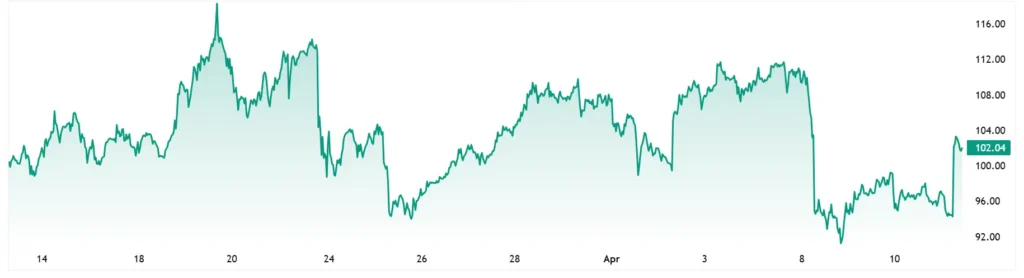
UKOIL – 1 Month Chart
Market Snapshot
The dollar index (DXY) rose 0.9% to 99.12, hitting its highest level in three weeks, as safe-haven flows accelerated following the diplomatic breakdown. Gold (XAU) traded mixed at $4,738 an ounce, up 0.3% on the day, as rising yields and a firmer dollar offset haven demand. US equity futures weakened, with S&P 500 contracts (ESc1) down 1.1% and Nasdaq 100 futures (NQc1) falling 1.4% in early New York trade.
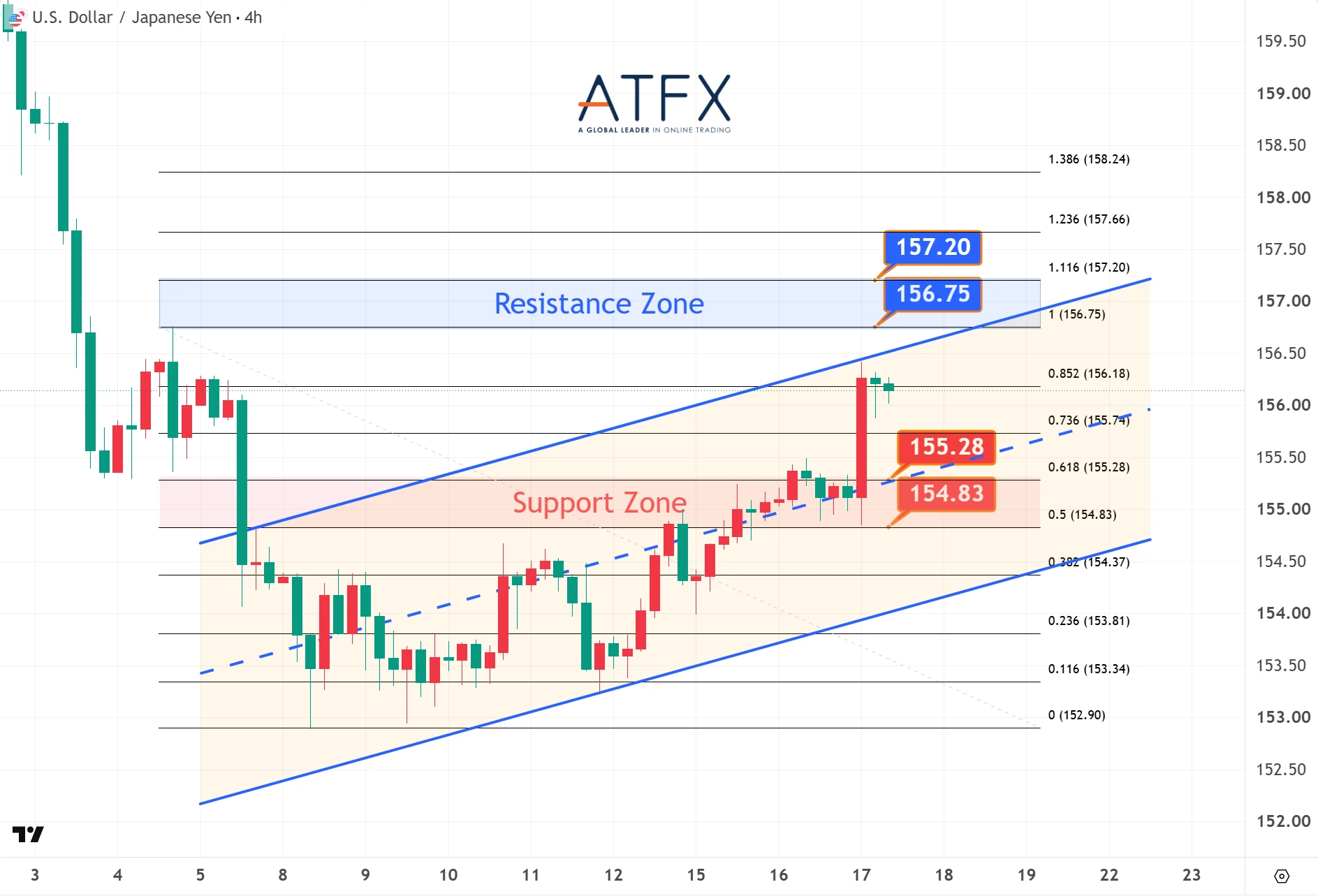
Risk-sensitive currencies bore the brunt of the selloff. The Australian dollar (AUDUSD) slid 1.2% to 0.6215, while the South African rand (USDZAR) weakened 1.5%. The euro (EURUSD) dipped 0.6% to 1.0845, and the Japanese yen (USDJPY) edged higher to 154.20 despite its traditional haven status.
Event Details
The 21-hour negotiations in Pakistan marked the highest-level US-Iran engagement since the 1979 Islamic Revolution but failed to produce a peace framework to end the ongoing conflict. US Vice President JD Vance, who led the American delegation, said Iran declined to accept Washington’s terms, calling the outcome “bad news” for Tehran. Iranian Former Vice President Ataollah Mohajerani countered that US “excessive demands” doomed the talks, stating the Americans sought at the table what they could not achieve on the battlefield.
Trump announced shortly after the breakdown that the US Navy would begin blockading all vessels entering or leaving the Strait of Hormuz, through which about 20% of global oil consumption flows daily. The Pentagon confirmed US forces were working to clear Iranian naval mines from the waterway.
Policy Response and Risk Flows
European natural gas futures jumped as much as 17% on supply concerns, while US Treasury yields edged higher with the 10-year note (US10Y) up 4 basis points to 4.52% as inflation expectations widened. Oil’s 30% surge since late February is reigniting stagflation fears just as central banks navigate a fragile growth backdrop.
Macro Implications
The escalation threatens to derail disinflation progress and complicate Federal Reserve policy paths. Money markets now price in reduced odds of rate cuts this year, with investors weighing the prospect of energy-driven inflation against growth headwinds. Goldman Sachs economists noted in a morning note that sustained oil above $105 could add 40 basis points to US headline CPI by year-end if the blockade persists.