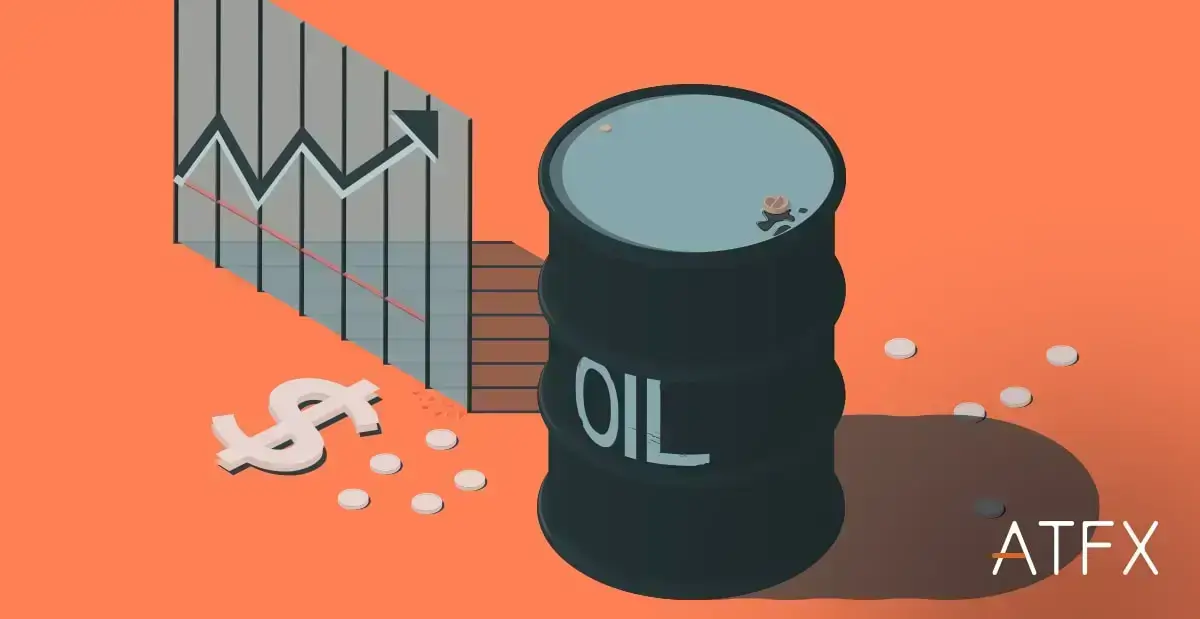



ارتفعت أسعار النفط بنحو 3% يوم الأربعاء بعد أن شنّ الجيش الأمريكي غارات جديدة على إيران، وألغت واشنطن ترخيص بيع النفط الإيراني عقب هجمات استهدفت سفنًا تجارية في مضيق هرمز. وقد أثارت هذه الخطوة مخاوف من أن تؤدي الأعمال العدائية المتجددة إلى تعطيل أحد أهم ممرات الطاقة في العالم.
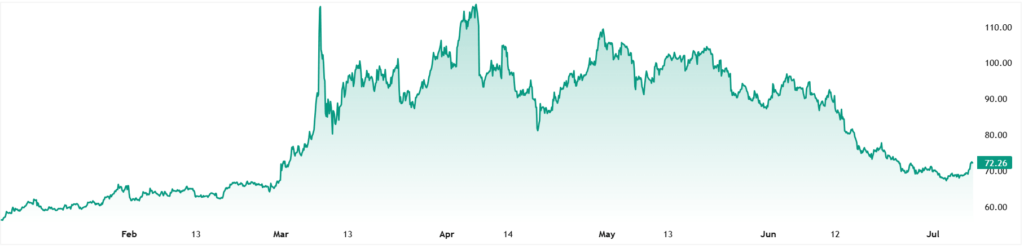
الرسم البياني لسته اشهر – النفط الأمريكي
ارتفعت العقود الآجلة لخام برنت (LCOc1) بنسبة 2.8% لتصل إلى 76.25 دولارًا للبرميل في التعاملات الآسيوية المبكرة. كما ارتفع خام غرب تكساس الوسيط الأمريكي (CLc2) بنسبة 2.8% ليصل إلى 72.28 دولارًا.
وقد عوضت هذه المكاسب بعض التراجع الذي شهدته الأسواق بعد موافقة أوبك+ في نهاية الأسبوع على زيادة إنتاج أغسطس. وأظهرت ردة الفعل أن المتداولين يضيفون مجددًا علاوة مخاطر على إمدادات الشرق الأوسط، حتى مع وجود مؤشرات سوقية أوسع تشير إلى تحسن في العرض وتفاوت في الطلب.
تفاصيل الحدث
أعلنت القيادة المركزية الأمريكية أن القوات الأمريكية شنت غارات على أهداف عسكرية إيرانية بعد استهداف ثلاث سفن تجارية أثناء عبورها بالقرب من مضيق هرمز. وذكرت وكالة أسوشيتد برس أن الغارات استهدفت أكثر من 80 هدفًا، من بينها أنظمة دفاع جوي ورادارات وأكثر من 60 زورقًا صغيرًا يستخدمها الحرس الثوري الإيراني.
كما ألغت الولايات المتحدة ترخيصًا كان يسمح ببيع النفط الإيراني بموجب اتفاق مؤقت يهدف إلى إنهاء النزاع وإعادة فتح طرق الشحن. وقالت واشنطن إن الهجمات على ناقلات النفط غير مقبولة. وأدانت وزارة الخارجية الإيرانية الخطوة الأمريكية باعتبارها خرقًا للاتفاق المؤقت.
أفاد مركز عمليات التجارة البحرية البريطاني بأن ناقلة نفط اشتعلت فيها النيران بعد تعرضها لهجوم قبالة سواحل عُمان. ولحقت أضرار بسفينتين أخريين، لكنهما واصلتا رحلاتهما دون وقوع إصابات.
ردود فعل السوق
طغى ارتفاع أسعار النفط على إشارة العرض من أوبك+، حيث اتفقت السعودية وروسيا والعراق والكويت وكازاخستان والجزائر وعُمان على زيادة إنتاج أغسطس بمقدار 188 ألف برميل يوميًا. وكانت هذه الزيادة الشهرية الخامسة على التوالي للمجموعة.
قد تحدّ هذه الزيادة المخطط لها من استمرار ارتفاع الأسعار إذا بقي الممر المائي مفتوحًا. لكن التجار أشاروا إلى أن تكاليف التأمين ووضوح المسار وخطر المزيد من الإجراءات الانتقامية قد تفوق أهمية الزيادات النظرية في العرض إذا تجنب مالكو السفن المرور عبر القناة.
وفي تعليق صدر يوم الأربعاء، قال محللو بنك OCBC: “يبدو من غير المرجح عودة الصراع الأمريكي الإيراني الشامل نظرًا لتزايد الضغوط السياسية الأمريكية لكبح جماح أسعار النفط قبل انتخابات التجديد النصفي في نوفمبر”.
التوقعات
سيراقب التجار ما إذا كانت حركة السفن ستستمر عبر الممر العُماني، وما إذا كانت القوات الإيرانية أو الأمريكية ستصعّد الموقف، وما إذا كانت التغييرات في العقوبات ستؤدي إلى سحب المزيد من النفط الإيراني من السوق.
من المرجح أن تأتي الإشارات التالية من أسعار التأمين، وبيانات تتبع ناقلات النفط، والتصريحات الدبلوماسية بين الولايات المتحدة وإيران، ومدى التزام مجموعة أوبك+ قبل اجتماعها المقبل في 2 أغسطس.