


Gold climbed more than 1% on Thursday from a one‑week low, lifted by a softer dollar and ebbing oil prices, after U.S. President Donald Trump said Iran was keen to reach a new agreement with Washington. The move followed sharp swings driven by the most significant flare‑up in U.S.–Iran hostilities since an interim peace deal last month.
Market Snapshot
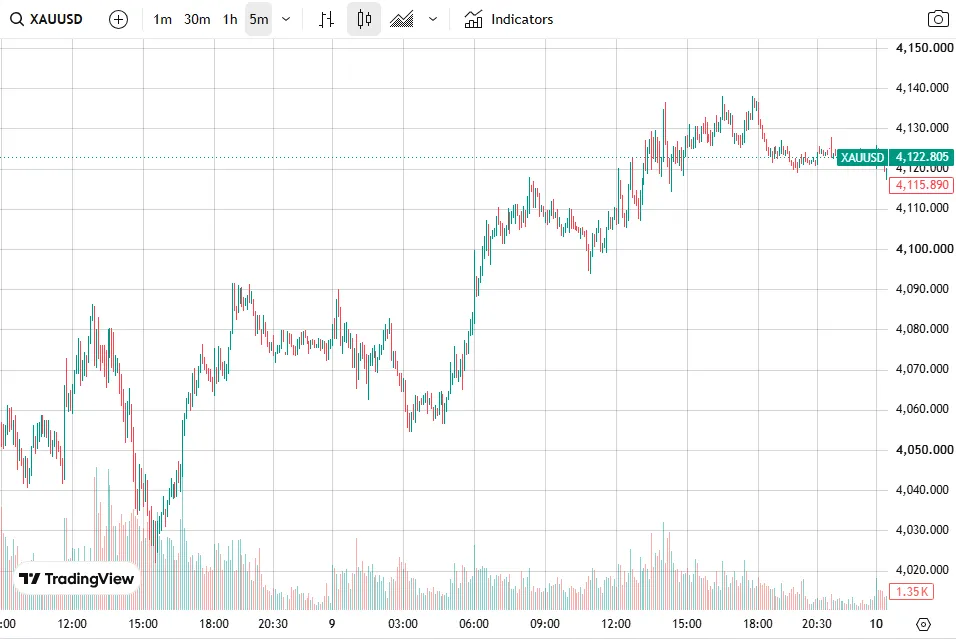
Spot gold rose about 1.2% to just above 4,120 dollars an ounce late on Thursday, recovering from losses in the previous session when prices briefly touched their lowest level in a week. Futures tracked the spot move higher, helping bullion stabilise around the 4,100‑dollar region that has become a key near‑term pivot for traders.
The rebound came as the dollar lost ground, making gold cheaper for holders of other currencies and encouraging fresh defensive buying. Traders said the combination of a pullback in the U.S. currency and lingering geopolitical anxiety continued to underpin gold’s appeal as a hedge, even as some of the most acute war fears faded.
Event Details
The latest price action followed renewed U.S. military strikes on Iran, described by officials as the largest escalation since Washington and Tehran agreed an interim peace accord last month. The strikes, targeting air defences, missile and drone facilities and Islamic Revolutionary Guard Corps vessels, were framed by President Trump as retaliation for recent attacks on commercial oil tankers.
Iranian forces responded with attacks on U.S. bases in the region, according to local media, keeping tensions elevated around key energy routes. At a NATO summit in Türkiye, Trump declaredf that a ceasefire with Iran was “over” and characterised the operations as “retribution”, although he repeated that Washington did not seek a broader war with Tehran.
Trading Reaction
Despite the tough rhetoric, Trump later told reporters on Air Force One that Iranian officials had called “a little while ago” and “want to make a deal so badly”, comments that traders said helped temper fears of uncontrolled escalation. The suggestion that channels for negotiation remain open appeared to take some pressure off oil prices, which had surged on war worries, and in turn eased some inflation concerns.
Gold initially came under pressure as investors rotated into the dollar on the first wave of conflict headlines, but the tone shifted as the currency’s rally faded and risk appetite steadied. “We are trading on every headline, but the fact that both sides are still talking about deals as well as strikes is preventing gold from breaking out in either direction,” said one European precious metals strategist.
Fed Signals And Inflation Debate
The rebound in bullion also followed the release of minutes from the U.S. Federal Reserve’s 16–17 June meeting, which revealed a divided committee on the path of interest rates. A minority favoured raising rates immediately, while most opted to hold steady but adopted a more hawkish tone in light of potential inflation pressures.
Policymakers highlighted several possible inflation paths, including scenarios in which price growth could gradually return towards the 2% target without significant further tightening. However, many also pointed to upside risks from strong demand linked to artificial intelligence, conflict‑related disruptions and tariffs, suggesting that rate policy remains sensitive to developments in energy markets and geopolitics.
Background Context
Since the June meeting, oil had retreated back to levels seen before the initial U.S.–Iran conflict, helped by an interim peace deal and tentative steps to reopen vital shipping lanes. That move eased some of the immediate concerns about a sustained energy‑driven inflation shock, supporting expectations that the Fed might not need to accelerate tightening.
This week’s renewed strikes and retaliatory attacks have complicated that picture, raising the risk of fresh supply disruptions in the Gulf and reviving debate about how far higher energy costs could feed through to broader prices. New York Fed President John Williams said he did not expect a lasting rise in energy prices this year, but analysts noted that the outlook depends heavily on whether hostilities abate or intensify.
Outlook
For gold, the near‑term trajectory will hinge on the interplay between geopolitical risk and monetary policy expectations. Persistent tension between the U.S. and Iran, especially around major oil and shipping infrastructure, is likely to keep safe‑haven demand underpinned, while any clear progress towards a new deal could cap rallies by calming market nerves.
Traders will watch three main factors in the days ahead: further military activity or de‑escalation in the Gulf, additional remarks from Trump and Iranian leaders on the prospects for talks, and fresh signals from Fed officials on how conflict‑related inflation risks might shape the interest‑rate path over the rest of the year.