



Oil Movement Overview
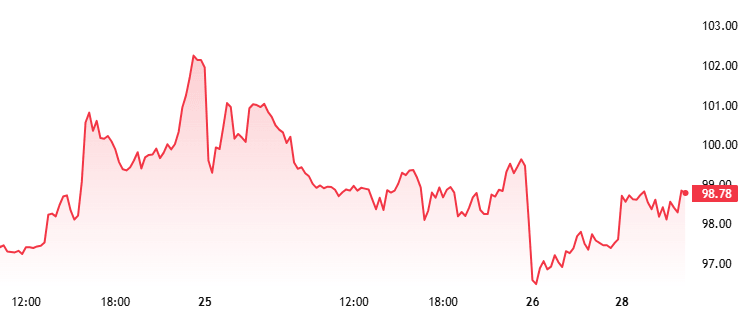
Brent crude rose 1.2% to 98.79 in Monday trade on 28 September 2026, recovering Friday’s losses after President Donald Trump rejected Iran’s latest proposal to reopen the Strait of Hormuz. That came a day after Trump told reporters on Sunday, 27 September 2026, that oil would “come plummeting down” as soon as the war with Iran ends, which he said would be soon.
Key Driver Behind The Move
The immediate driver is the stalemate over Hormuz. Trump called Iran’s seven-day proposal “unacceptable” on Saturday, while Iran said it would not soften its conditions and was still awaiting a definitive US response through mediators Qatar and Pakistan. Trump said negotiations are expected to resume this week, but he has not ruled out further strikes before the November midterm elections. Iran’s Revolutionary Guards Navy also said it seized a US underwater military vehicle in the strait.
Market Data And Reaction
Prices had eased on Friday on reports that Washington and Tehran were weighing a phased deal to reopen the strait. WTI settled at 92.45 that day and was down about 7.4% on the week. Brent remains up 16.88% over the past month, showing how much a Hormuz reopening is already partly priced in.
Broader Market Implications
Trump’s comments lean on his claim that record volumes of oil moved through Hormuz overnight, above pre-war levels. That claim is unverified, and the market response suggests traders want confirmed flows and a signed deal before pricing in a sustained drop. The US Energy Information Administration expects inventories to keep falling through the end of 2026, which limits how quickly prices could ease even if shipping resumes.
What Oil Traders Should Watch
- US response to Iran’s proposal: Any reply through Qatar and Pakistan, and whether negotiations resume this week.
- Tanker traffic through Hormuz: Independent data on whether flows match Trump’s claim of record volumes.
- Military escalation: Any strikes or seizures in or near the strait before the November midterms.
- Weekly US crude inventory data: The next report will show whether stocks continue to draw.