



Bitcoin fell below $73,000 on Thursday, touching its lowest level in more than six weeks as renewed US military strikes on Iran intensified geopolitical uncertainty and pressured global risk assets, according to traders and market data.
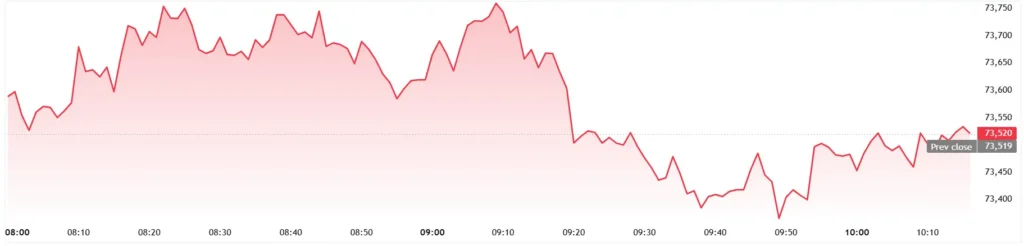
The largest cryptocurrency by market value was down about 4 percent in early trading, with prices around $72,700 at one point, extending a slide from earlier in the week. Ether and other major tokens also declined.
The downturn followed reports that the United States conducted fresh strikes against Iranian targets near the Strait of Hormuz, a strategic oil shipping route, dampening investor optimism for a lasting ceasefire in the months‑long conflict. Oil prices rebounded amid the tensions, adding to broader risk‑off sentiment in financial markets.
Cryptocurrency markets have shown sensitivity to geopolitical developments this year, with previous flare‑ups between Washington and Tehran contributing to volatility in digital assets and traditional risk indicators. Analysts say heightened uncertainty can trigger forced liquidations in highly leveraged crypto positions, amplifying price moves.
Market participants have also monitored significant outflows from crypto exchange‑traded funds in recent weeks, a trend that some see as institutional investors reducing exposure amid wider market stress.
Bitcoin’s recent weakness comes after a period of relative stability above key technical support levels, but investors warn that ongoing geopolitical risk and macroeconomic headwinds could prolong volatility. Broader markets, including equities and commodities, have also reacted to the conflict, underscoring the interconnectedness of global financial conditions.
Looking ahead, traders will be watching developments in the Middle East, US inflation data and central bank policy signals for clues on risk sentiment, while cryptocurrency markets remain poised for swings as macro and geopolitical narratives evolve.